The Criterion Collection in 2.5 Minutes

If you are like me, you can’t get enough of the Criterion Collection. They have single-handedly restored my faith in film as well as the potential for big businesses that operate with integrity.

If only I could name all the movies in this video in order. Kudos to the maker!

Posted in Uncategorized | Tagged , , | Leave a comment

OSCAR FORECAST: Best Actor 2013

Current Predictions (09/05/12):
John Hawkes, THE SESSIONS
Denzel Washington, FLIGHT
Daniel Day-Lewis, LINCOLN
Joaquin Phoenix, THE MASTER
Richard Gere, ARBITRAGE

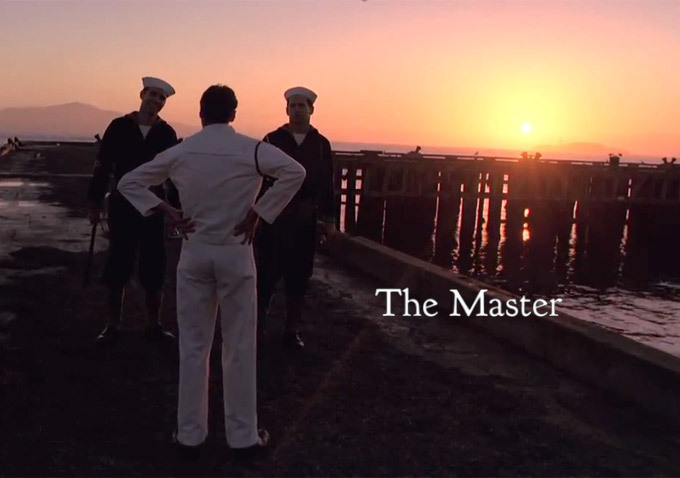
Word out of the Venice Film Festival is that Hoffman and Phoenix give dual lead performances of equally stunning proportions in The Master. Could this spell two nominations for the film? In some ways, I can see it going this way, as the film does feel like a bouncing ball of two men trying to wriggle control from one another. Viewers may not be able to separate the two and the movie might stand as a rare dual-protagonist piece. However, unlike the Best Actress category, the Academy rarely gives one film two leading actor nominations. This could be born out numbers. There simply are more juicy lead roles for men and, therefore, the competition is stiffer. Or it could be that female-driven films tend to be littered with startling performances, of which none can standout above the rest. Of course, the cynic in me believes that we live in such a male-driven society that we like to save our pedestals for men, without diluting the success of a performance by giving another lead nomination to the same film. Either way, we have one of those rare years where two men in the same movie might be competing for Best Actor. If only one gets in, it will almost certainly be Phoenix. He’s gotten Oscar love in the past and he has been categorized more as a lead performer than Hoffman’s “character-actor” has. Capote was a bit of an apparition. I’m not sure Hoffman has fully shed the preconceived notion of his looks in the minds of many voters. Additionally, he plays the role of passive lead in The Master, therefore, Phoenix might suck all the air out of the room.

Continue reading

Posted in Oscar Talk, Uncategorized | Tagged , , , , , , , , , , , , , , , , , , , , | Leave a comment

REVIEW: Lawless

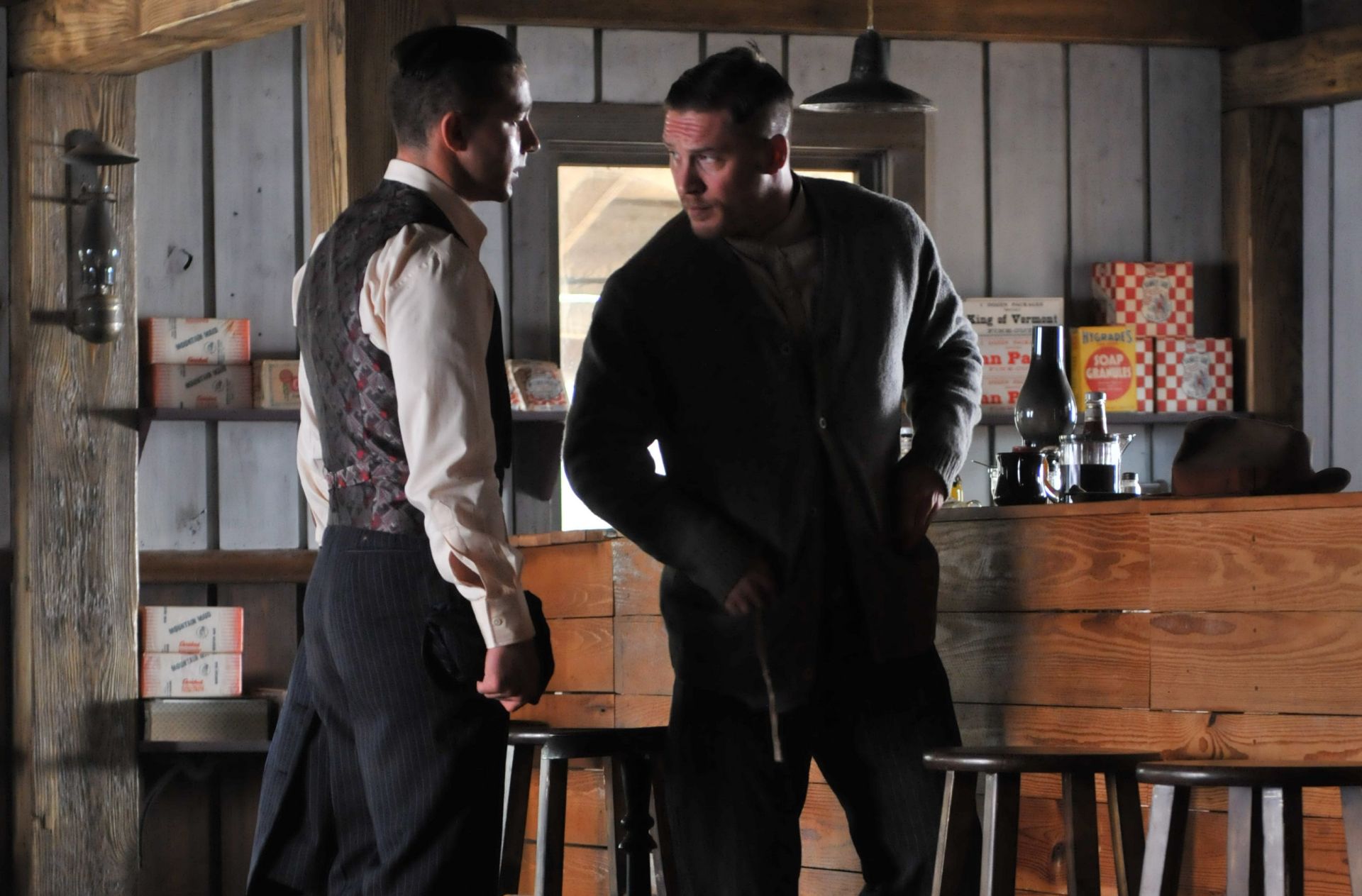
John Hillcoat has carved out a place in contemporary cinema that speaks to a bygone era where manhood and violence was a product of meditative poetry. Every straight-forward gush of blood in The Proposition or cold, desperate murder in The Road came at the cost of what human life means in the vacuum of universal existence. His newest film, Lawless, makes the violence front and center, with every moment, from the opening scene to the final gun fight, being about taking the life of another animal at any means necessary. At one point, after his weaker brother Jack has taken a beating, Forest Bondurant says, “It’s not about the violence, it’s about the distance a man will go.” A defined theme with the promise of layered looks at masculinity. However, Lawless wants to be a film that its not and an array of splintered plot threads undercuts virtually every textured moment that could have shined through.

Continue reading

Posted in Reviews | Tagged , , , , , , , , , , , , | Leave a comment

Considering Louie

Quickly becoming one of the most talked about comedies on television, Louie uses a unique fractured style of storytelling, most similar to life’s absurdities themselves. With its cult status growing, one sees this as fast becoming the comedic version of The Wire in both its underground success and its ability to package compelling character study and dry, straight-forward, biting social commentary all in one.

You can’t really say enough about this show. No easy articulation of the plot or style can prepare a viewer for the ever-changing landscape created from the mind of Louis C.K. While this show is obviously born out of a singular vision by an original comic, it’s also a continued testament to one point of view overseeing long form television. Unlike the longstanding shoot method in television that moves from the overcrowded writer’s room to stuffy sound-stage in only two weeks time, Louie is written, acted in, directed, produced, and often edited by Louis C.K. himself. His vision fuels the entire direction of the shows, warts and all. He seems to be honestly putting himself on the line in every episode. If nothing else, Louie is an act of uninhabited vulnerability, understanding the relatability of his self-deprecating, mid-40s existence, Louis C.K. uses the darkest portions of himself as a symbol for a generation generally not spoken for in mainstream media. The fact that Louie represents a rarely seen mature form of comedy on a format mostly filled with disillusioned 20-somethings, already exhibits the boldness being attempted by Louis C.K. and FX.

I’m admittedly late to the party, only part way through the show that’s now finishing up its third season. The basic conceit of Louie, while unorthodox in style, is somehow unexpectedly intoxicating. The blunt realities of such topics as sexuality, family, friendship, growing older, and death are handled with dry wit and, if sometimes unnerving, directness. No scene I’ve come across sums up the brilliance of the series like the “Gay Poker Scene” in Episode 2 of Season 1:

Continue reading

Posted in Uncategorized | Tagged , , , | 1 Comment

John Hawkes in The Sessions

With two recent, staggering performances in Winter’s Bone and Martha Marcy May Marlene, John Hawkes has emerged as one of the most important, if still somewhat unrecognized, actors working today. His newest film, The Sessions, has Oscar material written all over it. To me, this one has the feel of an “also-ran,” similar to My Week with Marilyn from last year, but look for him to again be in the discussion all the way until the end.

Here’s to an actor going to spaces often left untapped by other performers. His expression shows a decency and inner hope amidst danger that feels like an distant ancestor to contemporary acting. Unlike Daniel Day-Lewis or Sean Penn, it’s not Hawkes’ over-the-top, transformative qualities, but his humanism, that makes him so magnetizing. In a cultural time where everything feels very “now,” Hawkes is a throwback to  when not all characteristics were locked up in easily categorized phylums. One can only hope that Hawkes continues to take roles that push him as an actor, as his relatability to the contemporary American everyman is unrivaled.

Continue reading

Posted in Oscar Talk | Tagged , , , , , , , , , , | 1 Comment

Anticipating The Master

Just for kicks, in anticipation of the film I’m most looking forward to this year…

Download – The Master Script (Unspecified Draft)

Continue reading

Posted in Uncategorized | Tagged , , , , | Leave a comment

Can a Doc Compete for Oscar?

When former Academy president Tom Sherak announced that the Oscars would move to a ten-film format, he stated the reasoning was to include “other types of films,” such as “animated films, blockbusters, and documentaries.” The former was immediately awarded a nod when Up got nominated. The following year Toy Story 3 rightfully was nominated. Avatar, perhaps not entirely due to the ten picture format, was nominated in the first year of expansion as well.

Where then has the promise of docs getting nominated gone? On the surface, this isn’t the fault of the Academy. They can’t decide how voters will vote and how major studios will promote pictures. Additionally, most solid non-fiction films have a higher profitability when distributed on small screen formats, thus, HBO or Showtime have little interest in vying for an Oscar if it means bowing a project to theater audiences for triple the cost of exhibition.

Continue reading

Posted in Oscar Talk | Tagged , , , , , , , , , , , , , , , , , , , , , , , , | 1 Comment

OSCAR FORECAST: Best Picture 2013

Best Picture Predictions (08/27/12):
Lincoln
Les Miserables
Anna Karenina
Promised Land
Beasts of the Southern Wild
Argo
Life of Pi

We’re on the precipice of another awards season and the system has started to syphon out its usual contenders. You have your period dramas (Anna Karenina + Lincoln), your token musicals (Les Mis), the sometimes accessible auteurs (The Master + To The Wonder), the lovable small project (Beasts of the Southern Wild), the actors turned directors (Argo + Trouble with the Curve), and of course, Steven Spielberg and Clint Eastwood. The only thing fun about this year is the absence of any bonafide, typical Oscar sponge. That film that just reeks of Oscar love regardless of merit. There’s still time for an A King’s Speech to emerge late in the game, but with the blogsphere’s all-knowing eye out on festivals around the globe, the possibilities for these films to appear has grown less and less.

Continue reading

Posted in Uncategorized | Tagged , , , , , , , , , , , , , , , , , , , , , , , , , , , , , , , , , , | Leave a comment

REVIEW: Cosmopolis

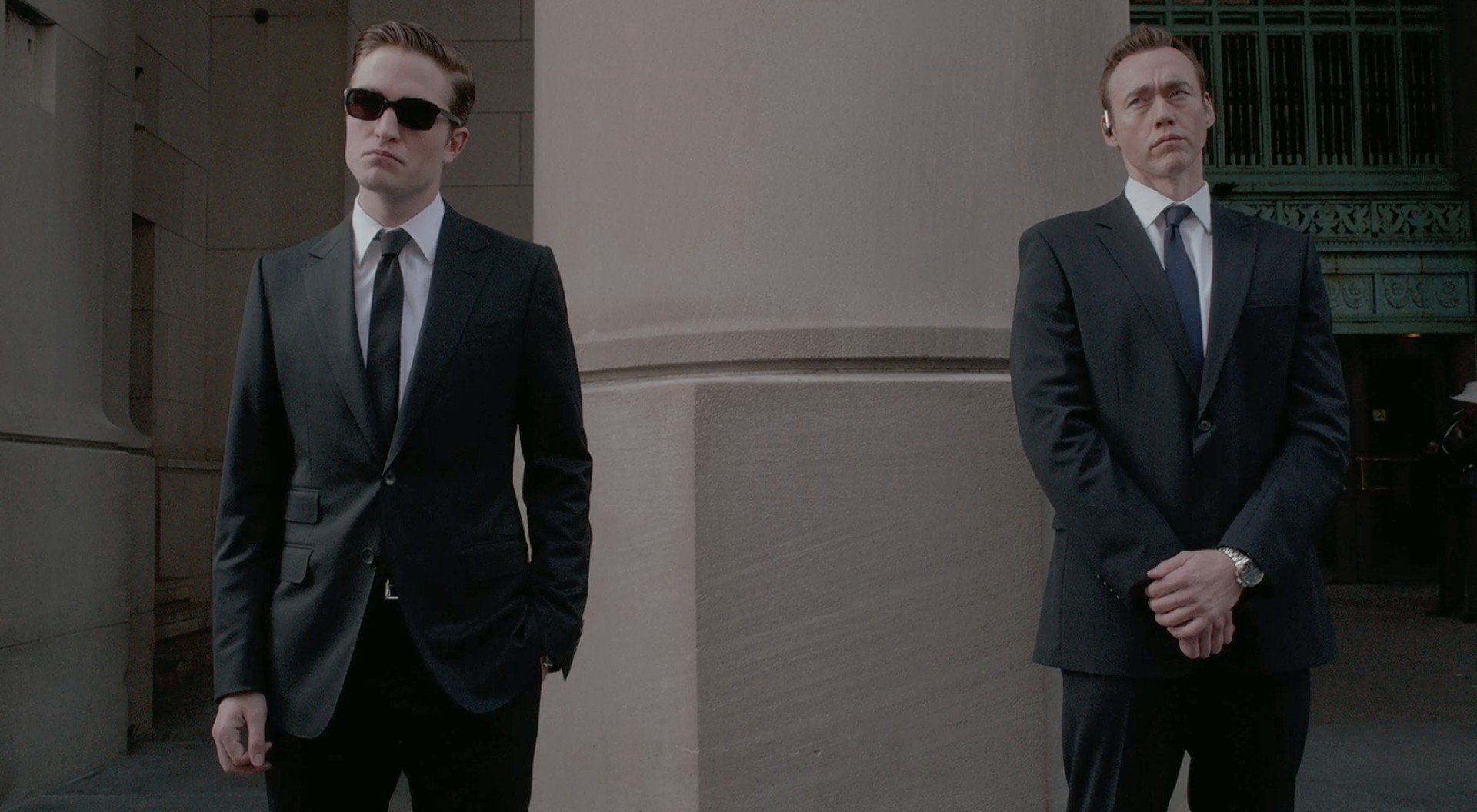
In David Cronenberg’s wildly imagined, but eerily familiar, version of New York City, the streets are filled with limousines that cart around billionaires and taxicabs driven by formerly impoverished immigrants. Cosmopolis, a faithful adaptation of brilliant social critic, Don Dellilo’s novel, packs the world with impassioned, yet purposeless, Occupy-like protestors, while a billionaire, undeterred by the fate of humanity, spends long conversations pondering the reasons why the state of the world is the way it is. The film proposes the concept of novelty intellectualism that has obsessed Delillo for years. The wealthy are not simply troll-like followers screwing over the poor, stupid souls that buy their products, but they are distant observers, with high levels of education. Unfortunately, their musings are out-of-touch and completely lost in the absorption of their own selfishness.

Continue reading

Posted in Uncategorized | Tagged , , , , , , , , , , , , | Leave a comment

Dragon Tattoo & Tinker Tailor: What’s Inside a Spy?

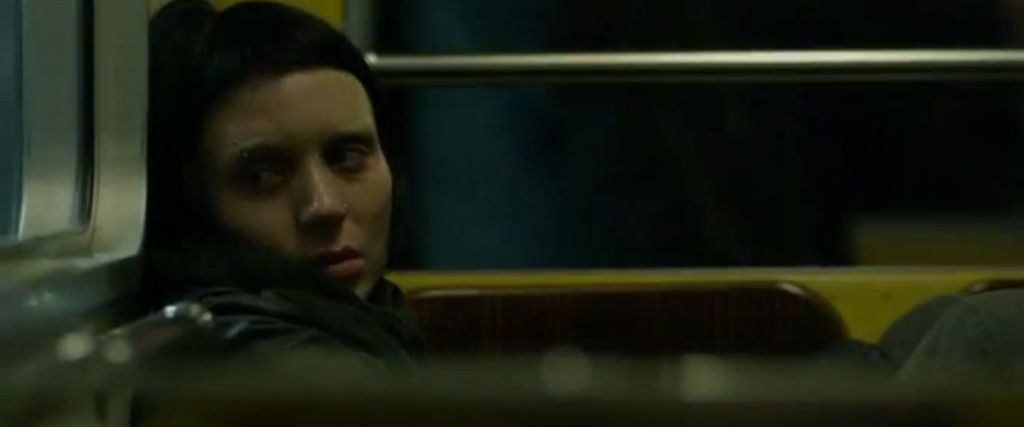
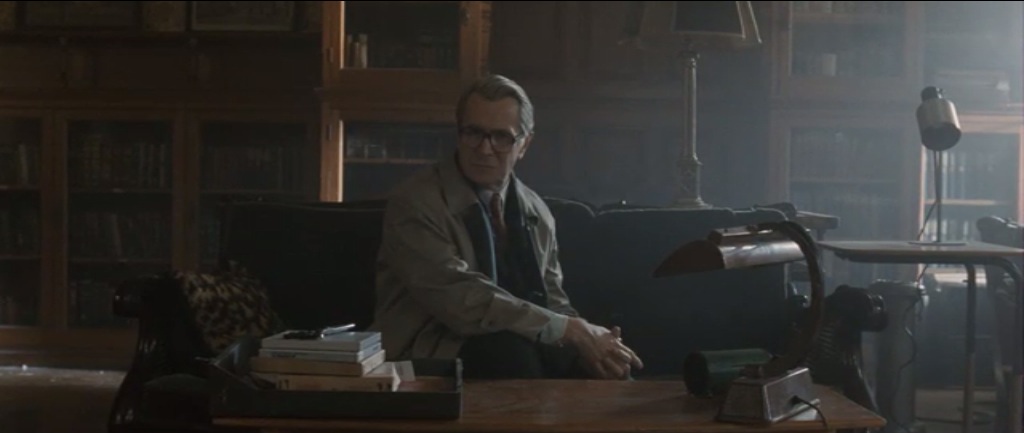
Increasingly western filmmakers have grown fascinated with technology, science, and the creation of mechanisms used to help us or, in most cases, destroy us. Christopher Nolan’s narratives spend much of their screen time proclaiming schemes and rules that the characters then overcome or abide by. Pixar’s popular films are stories with predictable trajectories, often dabbling in the world of fairytale rules. Most recently, Ridley Scott’s Prometheus used the blockbuster form to explore philosophical concepts concerning creation. In 2011, two movies that couldn’t, on the surface, be further from science fiction were Tomas Alfredson’s Tinker Tailor Soldier Spy and David Fincher’s The Girl with the Dragon Tattoo. While each film twists the classic spy thriller into a unique yarn, they also employ contemporary obsessions with automatons, robotics, and mathematics to reveal the deepest layers of their lead characters’ passion and desires. In the process, a new theory of what makes a spy has been etched out.

In a world where everything can be discovered within seconds, the spy’s place moves further into the crevices of society. A spy must be the most calculated form of a human being (but a human being nonetheless) no matter how much this fact may become a disadvantage. In The Girl with the Dragon Tattoo, Lisbeth Salender is a robot that desperately wishes she could be a real human. In Tinker Tailor Soldier Spy, George Smiley is a human who wishes nothing more than to be unable to feel. If a robot was invented that could genuinely conduct spy work, from physical disguise to mental manipulation, then, unquestionably every government in the world would pay top dollar to the inventor. What makes spies such compelling characters, when done right, is the natural battle between robot and human that exists inside his or her souls. Great spy films, such as Polanski’s Chinatown, focus more on what operates inside the minds of their spies rather than the dynamics of the plot they move through. Continue reading

Posted in Uncategorized | Tagged , , , , , , , , , , , , | 2 Comments